The Bench
Pre-Owned Swiss Watches: How to Read a Listing
A practical guide to pre-owned Swiss watches: how stock moves, how to check a reference, serial and service record, and what each brand means on the used
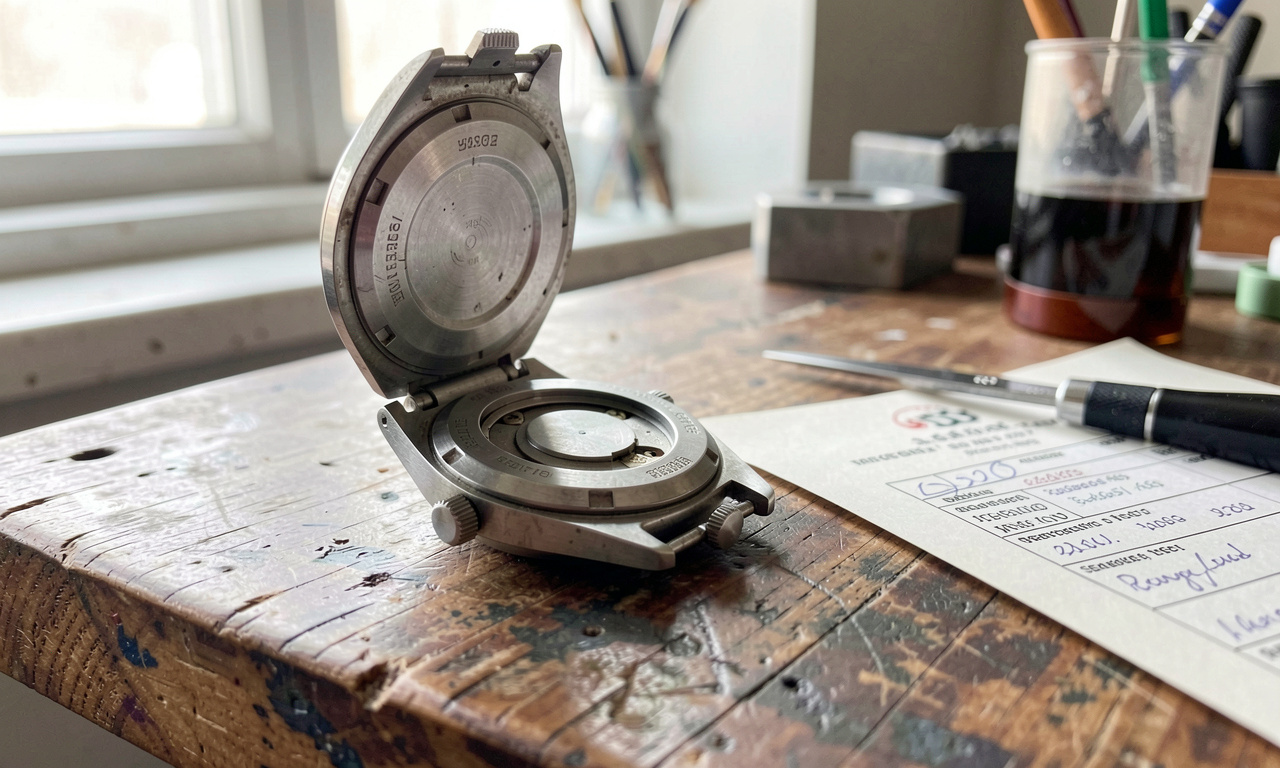
A pre-owned Swiss watch is worth what its paperwork, reference and condition can prove, not what the photographs suggest. Buyers who learn to read a listing, check a reference and a serial number, and understand how stock moves through the trade pay less for the same watch. The rest of this guide covers those four checks in order.
What the pre-owned Swiss watch market actually looks like
Most buyers never read the market side of the trade, and that is where the price is set. Stock moves through three channels: dealers who hold inventory, auction houses that publish results, and private sellers who list on forums and classified sites. A watch can pass through all three in a single year, and each handover adds a story that may or may not match the watch.
The words on a listing carry more weight than the photographs. A seller who writes "recently serviced" without a date, an invoice or a watchmaker name is making a claim, not a statement of fact. A seller who names the watchmaker, the date and the parts replaced is giving the buyer something to verify. The same rule applies to "full set", "unpolished" and "original dial": each phrase is a claim that can be checked against documents.
Auction results are the closest thing to a public price record. They show what a specific reference sold for on a specific day, in a specific condition, with a specific set of accessories. They do not show what the same reference will sell for next month, and they do not cover private sales, which is most of the volume. Treat auction results as one data point, not a valuation.
The market section of a reference ledger explains how stock moves from dealers and auctions to private sellers, and why the words on a listing carry more weight than the photographs do. That framing is useful before any price is discussed, because it tells the buyer which questions to ask first.
How do you check a watch reference, movement and serial number?
A reference number identifies the model family, the case material, the movement type and often the production period. It is stamped or engraved on the case back, between the lugs, or on the movement itself, depending on the brand and era. The first check is whether the reference on the watch matches the reference on the papers. The second is whether the reference is consistent with the dial, the hands and the bracelet fitted to it.
A movement check goes further. The calibre number, the finishing, the jewel count and the markings on the bridges should match the reference. A movement that is correct for the reference but wrong for the production year is a warning sign, not proof of anything. Movements are swapped during service, and a replacement movement from the same family is normal on older watches.
A serial number places the watch in a production run. Brands publish serial ranges by year, sometimes in official archives and sometimes only in collector databases. A serial that falls outside the expected range for the reference is worth a question. A serial that has been polished away or over-stamped is worth a refusal.
A service record is the weakest of the three checks and the most useful in practice. An invoice with a date, a watchmaker name and a list of parts replaced tells the buyer what has been done and when. It does not prove the watch is genuine, and it does not prove the watch is running correctly today. It proves that someone opened the case and worked on it, which is more than most listings offer.
Reference guides show how each check is done and what each one cannot settle. That last part matters. A reference check cannot confirm a dial is original. A serial check cannot confirm a movement is original. A service record cannot confirm a watch is authentic. Each check narrows the field, and none of them closes it.
What do the main Swiss brands mean on the used market?
A brand directory collects the families that trade most often and says what each name stands for on the used market. The names fall into rough groups.
Rolex holds value across most references, which means the used price is close to the retail price and the spread between a full set and a watch alone is wide. The Datejust is the clearest example: its case and bracelet changed at least five times since 1945, and those changes are the fastest way to place an example in time before anyone quotes a price for it.
Omega trades in a wider band. Speedmaster and Seamaster references hold value, while dress models from the same decades sell for less than the sum of their parts. The reference number does most of the work here.
Patek Philippe and Audemars Piguet sit at the top of the used market, where paperwork and provenance decide the price more than condition does. A watch with an extract from the archives sells differently from the same watch without one.
Tudor, Breitling, IWC and Jaeger-LeCoultre fill the middle. Each has references that collectors follow and references that the wider market ignores. Knowing which is which takes a brand directory and a few auction results, not a decade of experience.
What decides the price of a pre-owned Swiss watch?
Four things decide what a pre-owned Swiss watch costs and what it really is: the trade, the documents, the house and the ownership history. The trade sets the range. The documents set the position within that range. The house sets the demand. The ownership history sets the risk.
Condition sits across all four. A polished case, a replaced dial, a stretched bracelet and a missing box each move the price, and each is visible to a buyer who knows where to look. A watch that has been worn daily for twenty years is not the same object as one that has sat in a safe, even when the reference and the serial are identical.
How should a mechanical watch be stored, wound and travelled with?
Ownership decides whether a mechanical watch runs on the morning the buyer wants to wear it. Three habits cover most of it.
Storage: keep the watch in a dry place, away from direct sunlight and away from magnetic sources such as speakers and tablets. A watch box with a soft lining is enough. A safe is fine if the humidity is controlled.
Winding: a hand-wound watch should be wound at roughly the same time each day, to the point where resistance increases, and no further. An automatic watch that is worn daily needs no winding. An automatic watch that sits for weeks should be wound and set before it is worn, not shaken.
Travel: a watch worn through an airport scanner is fine. A watch packed in a checked bag is not, because pressure changes and handling do more damage than the scanner does. A travel case with a cushion protects the bracelet and the crystal.
Service intervals depend on the movement, not the brand. A watch that gains or loses more than a few seconds a day, or that stops overnight, is due for a service. Waiting until it stops completely costs more, because the movement runs dry and wears the pivots.
What a buyer should do before paying
Read the listing twice and write down every claim it makes. Ask for the reference, the serial, the movement calibre and any service invoices. Compare the reference against a published guide and the serial against a published range. Check the brand's position in a directory to see how the reference usually trades. Then decide what the watch is worth with the documents in hand, and what it is worth without them.
A pre-owned Swiss watch is a document as much as an object. The buyer who treats it that way pays for what is there, not for what the listing says.